
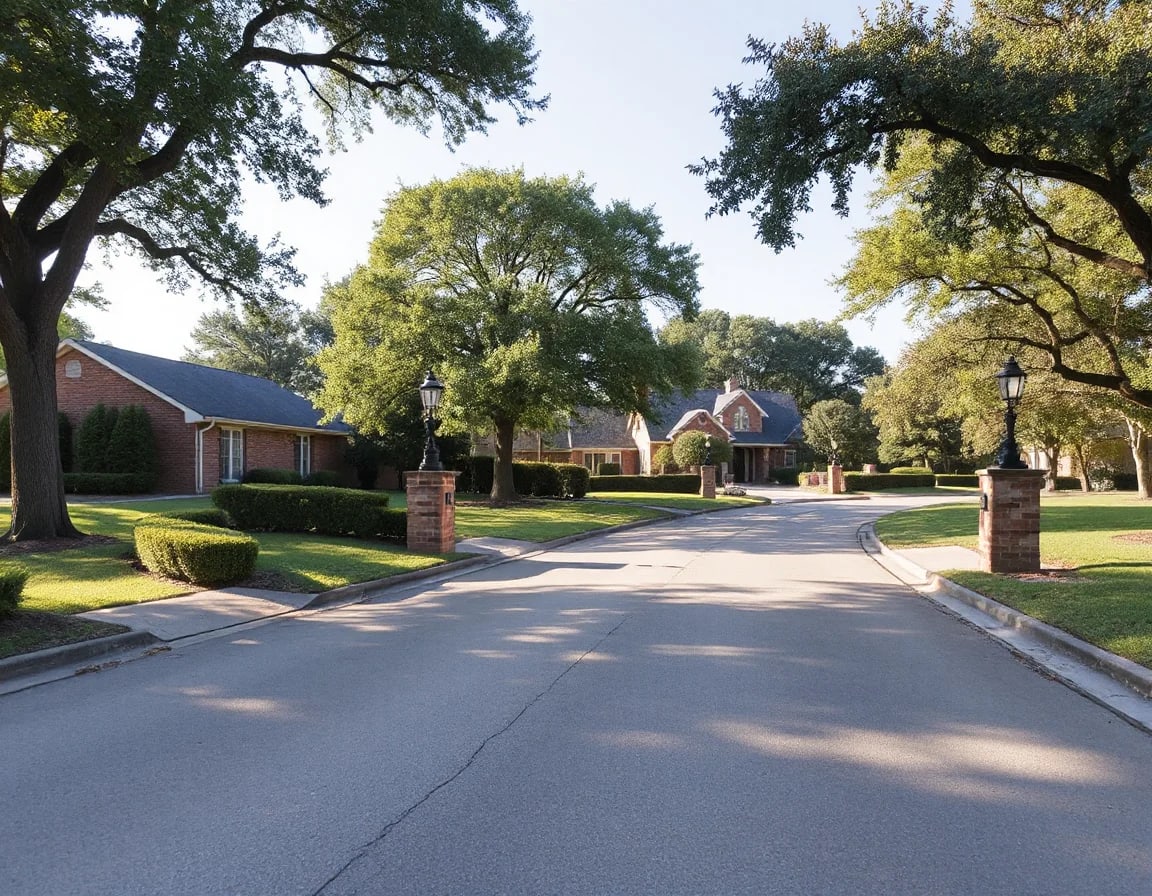
Arlington buyers often focus on headline locations near the major entertainment anchors, but some of the most useful value clues show up in the spaces between them. Street-by-street condition, lot usability, renovation consistency, and access to daily amenities can reveal whether a home is priced for long-term function or short-term excitement. If you want a clearer read on where value may hold up, it helps to look beyond the obvious map pins.
Why the “In-Between” Areas Matter
Big destination landmarks naturally pull attention, and in Arlington that can shape how buyers interpret an entire section of the city. Yet home values are not built on proximity alone. A property’s appeal usually comes from a more layered mix of factors: how easy the daily drive feels, whether the block shows consistent upkeep, how nearby retail and parks support routine errands and recreation, and how much renovation quality differs from one street to the next.

That is especially true in the corridors between Arlington’s best-known destinations, where pricing can shift quickly without dramatic changes in distance. Two homes may sit only minutes apart, but one may offer better parking, a quieter interior layout, stronger curb appeal on surrounding blocks, and a more practical route to groceries, schools, and major roads. Those details do not always grab attention in online browsing, but they often shape how comfortable a home feels once you live in it.
Buyers who slow down and compare these practical features can sometimes spot better value than the market’s first impression suggests. Instead of asking only, “How close is this to the action?” a stronger question is, “How well does this property function on an ordinary Tuesday?” That mindset can help you identify homes with a more balanced value story.
A short drive difference can matter less than block consistency, parking ease, and everyday access to errands. Buyers often notice those factors more after move-in than during the first showing.
What to Watch at the Street Level
One of the most reliable value signals is the condition of the immediate surroundings. Look at the homes next door, across the street, and around the corner. Are exterior updates generally well maintained? Do roofs, fencing, landscaping, and driveways suggest steady ownership patterns? You are not looking for perfection; you are looking for a level of consistency that supports the asking price.
Another strong indicator is lot utility. In Arlington, where housing styles and lot sizes vary, a property with a straightforward driveway, usable backyard space, and a layout that fits modern storage or work-from-home needs may age better than a home that wins only on location hype. Corner lots, rear-entry access, garage placement, and traffic flow can all influence day-to-day convenience and future buyer interest.
Inside the home, pay attention to renovation quality rather than renovation volume. Fresh paint and trendy fixtures can distract from older windows, uneven flooring transitions, aging mechanical systems, or awkward room flow. In some cases, the more compelling purchase is the home with fewer cosmetic updates but stronger bones and a more functional floor plan. Buyers comparing options near high-visibility areas should be careful not to overpay for surface-level polish.
Daily Convenience Can Be a Better Value Marker Than Buzz
Homes in Arlington benefit from more than destination appeal. The city’s broader draw includes park access, entertainment options, established residential areas, major commuting routes, and a range of shopping and dining corridors that support everyday living. For many buyers, being well-positioned for routine errands and practical travel matters more than being as close as possible to a marquee venue.
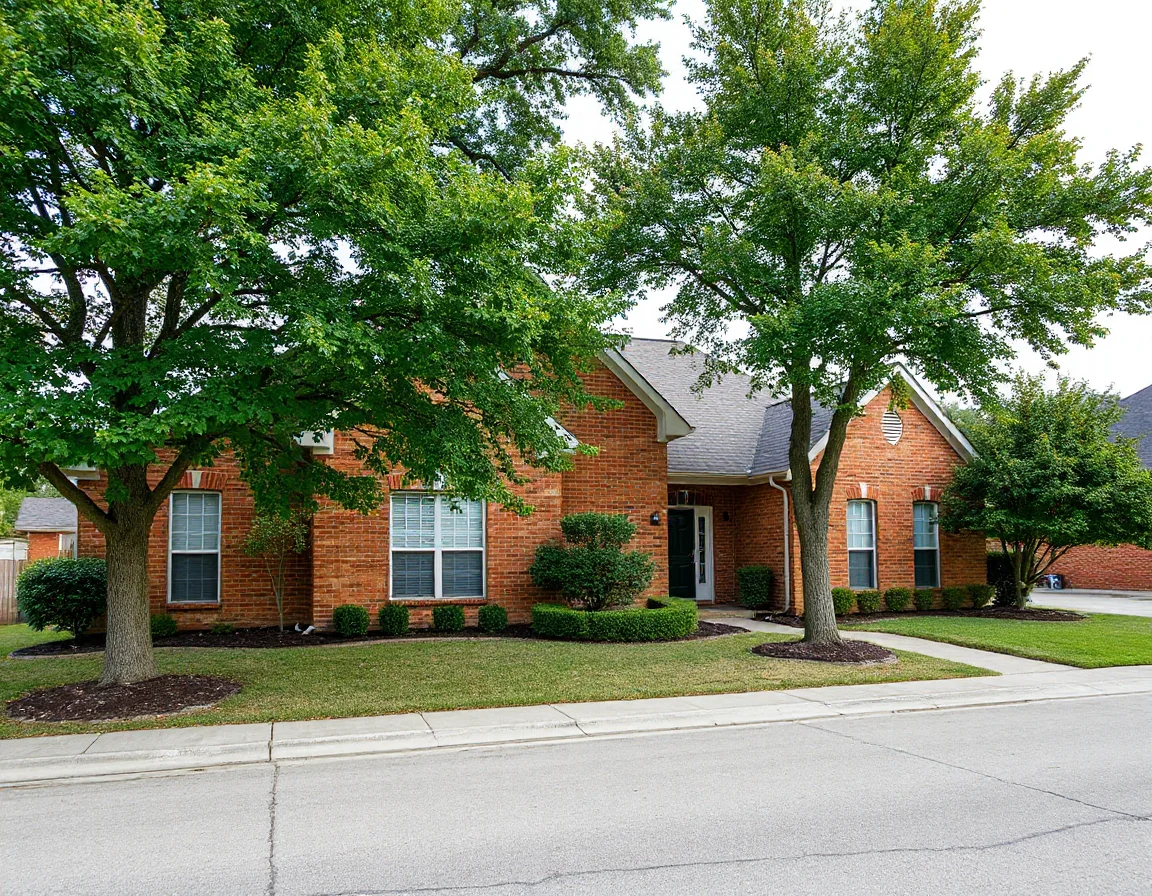
That is why commute patterns deserve a close look. Test the route at realistic times if possible. A home that feels well placed on a map may function differently when traffic builds around major event zones or primary arteries. Access to I-30, Highway 360, and other key connectors can influence not just convenience but also how future buyers perceive the property. The goal is not to avoid popular areas; it is to understand how traffic rhythm affects your use of the home.
It also helps to study how nearby amenities are distributed. Some streets benefit from quick access to trails, public green space, libraries, neighborhood retail, and recreation centers without carrying the intensity of the city’s most visible destinations. That balance can make a location feel more livable while still keeping Arlington’s larger attractions within reach. In many cases, that blend of accessibility and separation is exactly where durable value appears.
If two homes are similarly priced, the one with simpler daily routing and more consistent nearby upkeep may offer the stronger long-term experience, even if it is slightly farther from a major attraction.
These are subtle distinctions, but they matter. Buyers often remember a neighborhood for its headline features, while resale performance can depend just as much on practical strengths that show up in person.
How Market Perception Can Create Opportunity
In any active market, broad perception can sometimes compress important differences. A highly recognizable district may cause buyers to cluster around a handful of map boundaries, making adjacent pockets easier to overlook. That does not mean every nearby area is undervalued, of course, but it does mean opportunities can surface when a property is judged too heavily on simplified location labels rather than its actual condition and utility.
Arlington is a good example of a place where micro-location matters. One block may feel more established, offer better tree cover, or present stronger home maintenance than another only a few turns away. Those distinctions can affect not just current enjoyment but also future marketability. Buyers willing to compare at that level often make more confident decisions because they are measuring the home as a whole package, not just reacting to a familiar landmark.
Watching time on market can also be useful. If a home lingers, ask why. Sometimes the answer is overpricing or deferred maintenance. But sometimes a listing simply entered the market with weaker presentation, modest photos, or less obvious positioning than competing homes. When the fundamentals are solid, that gap between perception and reality can be worth a second look.
A Smarter Way to Compare Arlington Homes

A practical comparison process can keep you from chasing noise. Start with the obvious metrics like price, square footage, lot size, and bedroom count. Then move deeper: evaluate parking, storage, update quality, traffic patterns, outdoor usability, and the overall feel of the surrounding blocks. Consider what nearby amenities you will actually use, not just what looks exciting in a listing description.
This is also where local guidance matters. The Coulborn Group brings more than 42 years of combined leadership experience, along with focused knowledge of Fort Worth-area neighborhoods and nearby markets such as Arlington. That kind of perspective can help buyers distinguish between a home that is merely well marketed and one that truly offers strong value for the price. Concierge-style service is especially useful when comparing homes that seem similar online but perform very differently in person.
Arlington’s quiet value signals are not flashy, and that is exactly why they matter. Buyers who pay attention to block condition, lot function, renovation quality, route efficiency, and access to daily amenities often come away with a clearer decision. Between the stadiums and entertainment anchors, the strongest opportunity may be the home that simply works better every day.