
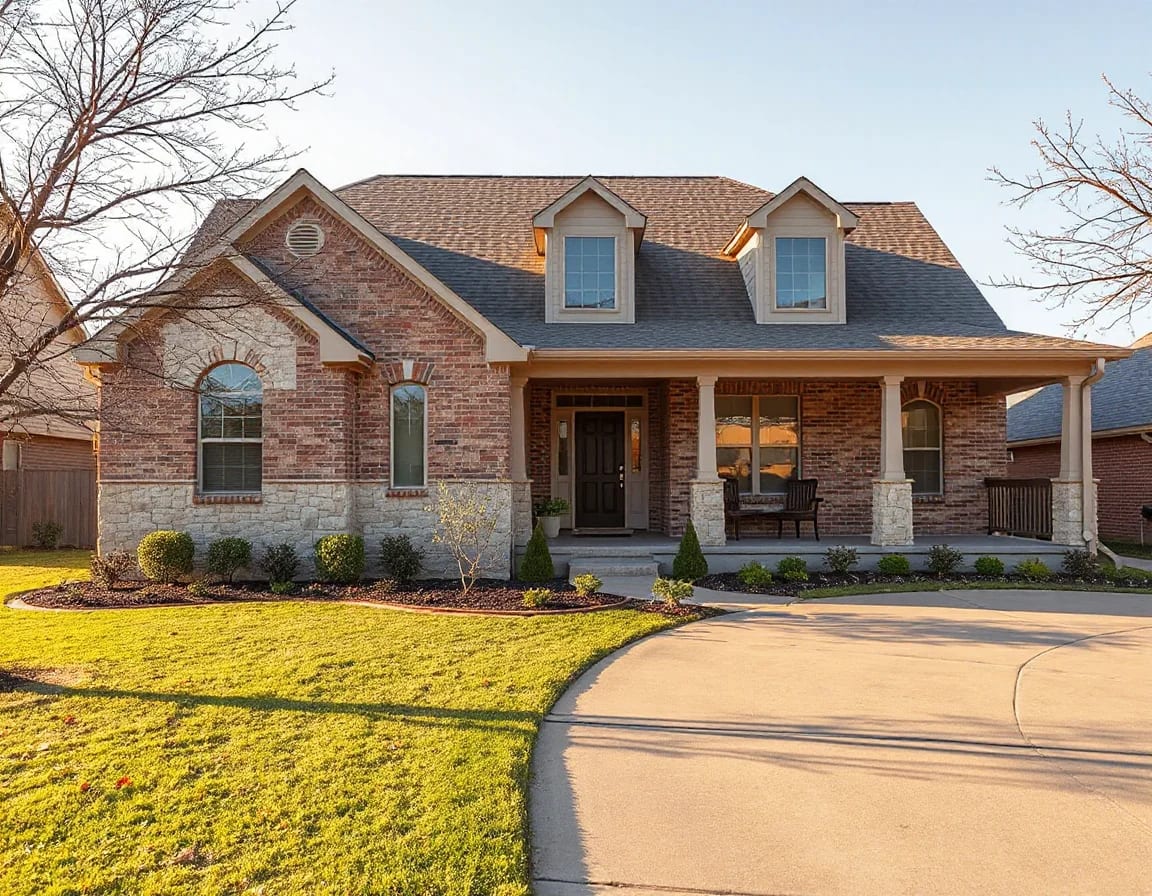
Choosing between Aledo and Southlake often comes down to how you want daily life to feel, not just what a home looks like on paper. Buyers tend to notice differences quickly in lot sizes, commute patterns, shopping access, pace, and price expectations. A side-by-side look at these tradeoffs can make it much easier to decide which market lines up with your priorities before you start touring homes.
Two Popular Markets, Two Very Different Daily Rhythms
When buyers compare Aledo and Southlake, the conversation usually starts with square footage and price, but it rarely ends there. What stands out fast is the difference in rhythm. One area often feels a little more spread out, with room to breathe and a stronger connection to open land. The other tends to deliver a more built-out pattern of amenities, polished retail corridors, and a quicker jump between errands, dining, and major routes.
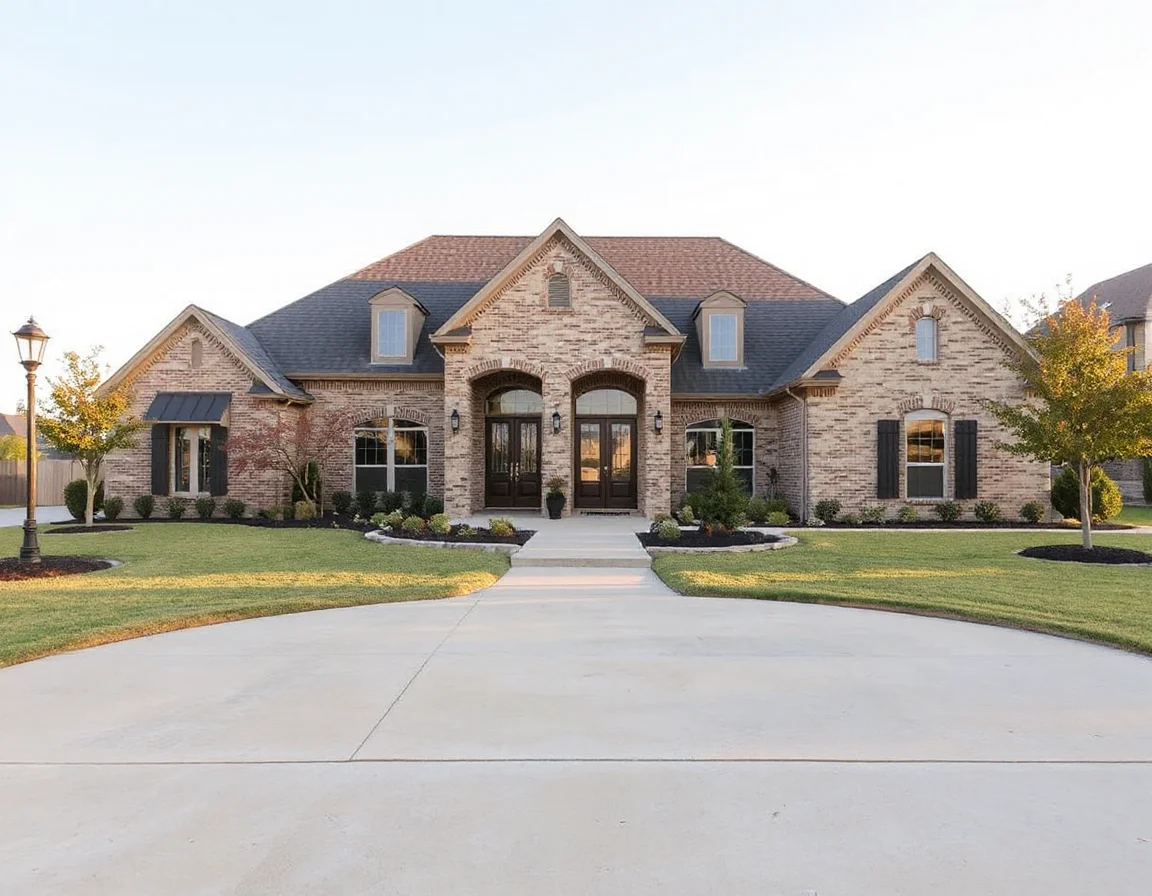
Aledo often appeals to buyers who want more physical separation between properties, a quieter visual environment, and a setting that can feel less dense from one street to the next. Southlake, by contrast, is frequently chosen by buyers who want a highly convenient pattern of daily life, where services, gathering spots, and major road access can be part of the draw. Neither is inherently better; they simply offer different versions of convenience.
The useful way to frame the choice is this: are you prioritizing more land, a more relaxed physical layout, and a sense of space, or are you prioritizing a highly connected, amenity-rich environment where much of what you need is close at hand? That question usually narrows the search much faster than comparing finishes alone.
Buyers who tour both areas in the same week often make a decision based on feel within the first few drives between neighborhoods, schools, parks, and everyday stops.
Tradeoff 1: Space and Lot Size Versus Immediate Convenience
One of the clearest differences buyers notice is how much room they can get around the home itself. In Aledo, the sense of openness can be part of the value equation. Depending on the neighborhood and price point, buyers may find larger lots, broader setbacks, or a bit more breathing room between homes. That can influence everything from outdoor entertaining to future landscaping plans and how private a property feels day to day.
Southlake often counters with convenience. The draw is not necessarily about getting the largest lot possible, but about how efficiently daily life can run. Access to established retail areas, services, and major commuting routes can reduce drive times for common errands and make the week feel more streamlined. Buyers who prefer a highly polished suburban environment with many nearby options often notice this benefit quickly.
That means the tradeoff is less about “more” versus “less” and more about where you want value to show up. For some buyers, value is outdoor space and a more open setting. For others, value is time saved and the ability to move through a predictable, well-connected routine.
Tradeoff 2: Commute Patterns and Regional Access
Commute planning matters, especially in the Fort Worth area, where buyer decisions are often shaped by recurring drives rather than straight-line distance. Aledo can be a strong fit for buyers whose routines center more naturally on Fort Worth and western portions of the metro area. If your work, recreation, or social calendar leans west, the location may align well with how you already move through the region.

Southlake is often part of the conversation for buyers who want easier access toward DFW Airport and northeastern parts of Tarrant County, along with broader links into the Dallas-Fort Worth metroplex. That does not mean every commute will be shorter, but it does mean the map can look very different depending on where you need to go several times each week.
It helps to test the decision with real destinations: office, airport, regular dining spots, recreation, and the places you expect to visit often. A neighborhood that feels ideal on a Saturday afternoon can land differently once weekday traffic becomes part of the picture. Touring both markets during the times you would actually drive them can reveal more than any listing description ever will.
A smart comparison includes at least one weekday drive at the hour you would normally leave home or return. That single test often changes buyer priorities.
Regional access also affects resale conversations. Homes in both areas can attract strong interest, but the pool of future buyers may be looking for different types of location advantages. Understanding that now can help you buy with both lifestyle and long-term marketability in mind.
Tradeoff 3: Price Expectations, Housing Style, and What Feels Worth It
Buyers often come into this comparison expecting one market to “win” on price, but the reality is more nuanced. Southlake commonly carries premium pricing tied to location, amenities, and established demand. Buyers there may accept paying more for a specific combination of access, presentation, and neighborhood finish. The question becomes whether those advantages match how you actually plan to live.
In Aledo, buyers may see opportunities to prioritize space, newer construction in certain pockets, or lot size in a way that feels compelling relative to price. For some, that creates a stronger sense of value because the home itself and the land around it are central to the decision. If your must-have list includes outdoor space, a larger footprint, or a less compressed layout, Aledo can rise quickly on the shortlist.
Style also matters. Some buyers respond to homes that feel tied to a more open, evolving residential pattern, while others prefer neighborhoods with a more established and amenity-centered polish. Both are legitimate preferences. The better choice is the one where the price aligns with what you personally will use and appreciate every week, not just what photographs well online.
Tradeoff 4: The Feel of Weekends and Everyday Errands
Weekend life is another area where the contrast can become obvious fast. In Aledo, many buyers talk about enjoying the sense of breathing room that comes from a less compressed environment. Time at home, outdoor projects, entertaining on a patio, or simply having a larger yard can play a bigger role in how weekends feel. The home itself may become more of the destination.

In Southlake, weekends can feel more outward-facing. Buyers who like having multiple nearby options for dining, services, public gathering spaces, and errands may appreciate how easy it can be to move from one stop to the next. That convenience can be just as valuable as square footage for people who spend a lot of time out and about.
Everyday errands follow the same pattern. Some buyers do not mind a little more drive time if it means a more spacious home environment. Others strongly prefer having more of their routine concentrated nearby. It is worth being honest about that preference, because it affects satisfaction long after closing day.
There is also an emotional component: some buyers want their home to feel like a retreat from activity, while others want it to sit close to the activity they enjoy. Understanding which description fits you can make the final decision feel far less complicated.
How to Decide Without Overcomplicating It
If you are torn between Aledo and Southlake, try ranking your priorities in three buckets: space, convenience, and commute fit. Most buyers discover that one of those carries more weight than the others. Once that becomes clear, the “right” area usually starts to reveal itself.
It also helps to compare homes at the same price point in both markets rather than chasing broad assumptions. What you gain in lot size, location efficiency, neighborhood layout, or overall atmosphere may vary significantly depending on budget. Looking at side-by-side options creates a more grounded picture than relying on general reputation alone.
For buyers working across the Fort Worth area, local guidance can be especially valuable because small differences in neighborhood placement, road access, and housing stock can change the entire feel of the search. A well-structured tour plan does more than show homes; it helps you compare lifestyles in real time.
In the end, this is not just a choice between two names on a map. It is a choice between two ways your week might unfold. The right answer is the one that makes your everyday routine feel easier, more enjoyable, and more aligned with how you want to live in the years ahead.