
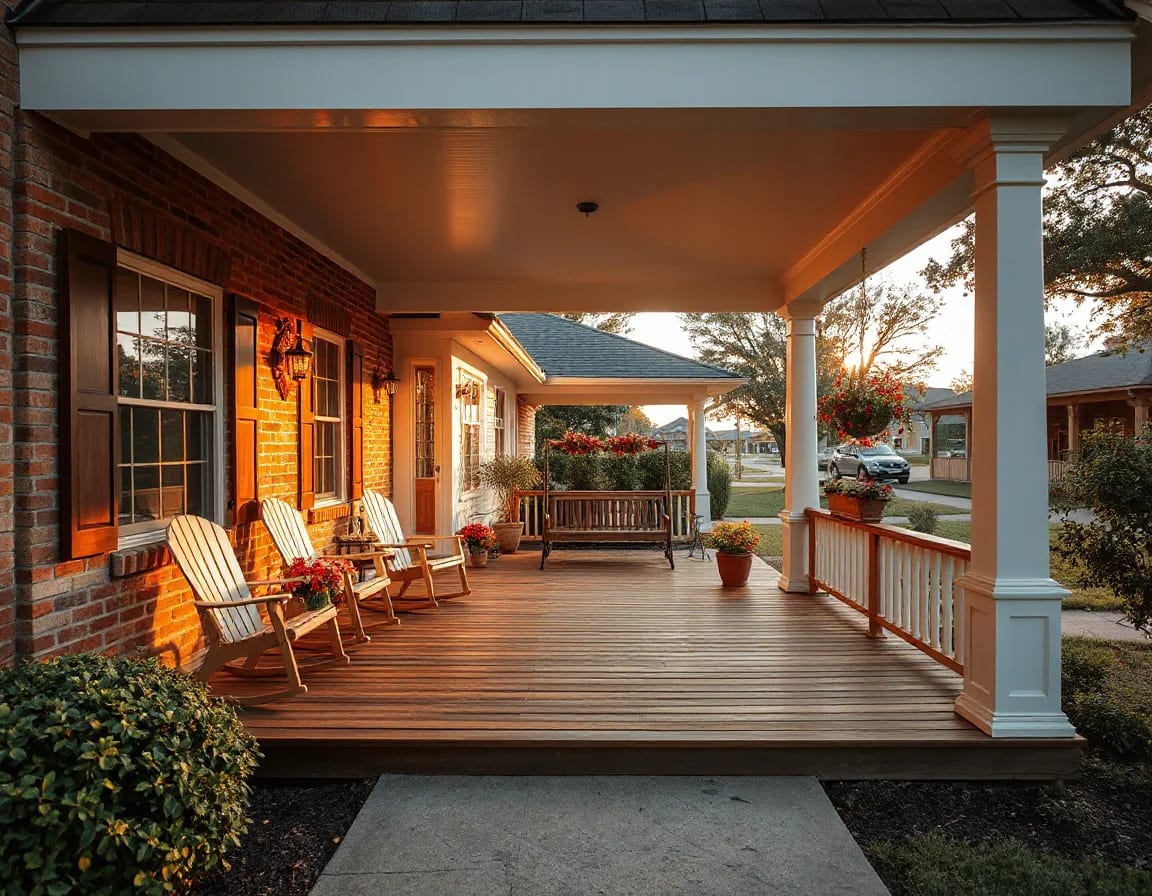
Price per square foot is a useful starting point, but it rarely tells the whole story in Fort Worth. Layout efficiency, lot utility, renovation quality, block-by-block location factors, and even storage can shift real-world value in ways a simple average misses. Knowing what to look for can help buyers compare homes more accurately and help sellers present strengths that deserve attention.
Why price per square foot is only the opening number
When home buyers scroll listings, price per square foot often looks like the fastest way to compare one property with another. It feels clean, objective, and easy to rank. But in practice, two homes with nearly identical square-foot figures can live very differently, show differently, and command different levels of demand once buyers step through the front door.
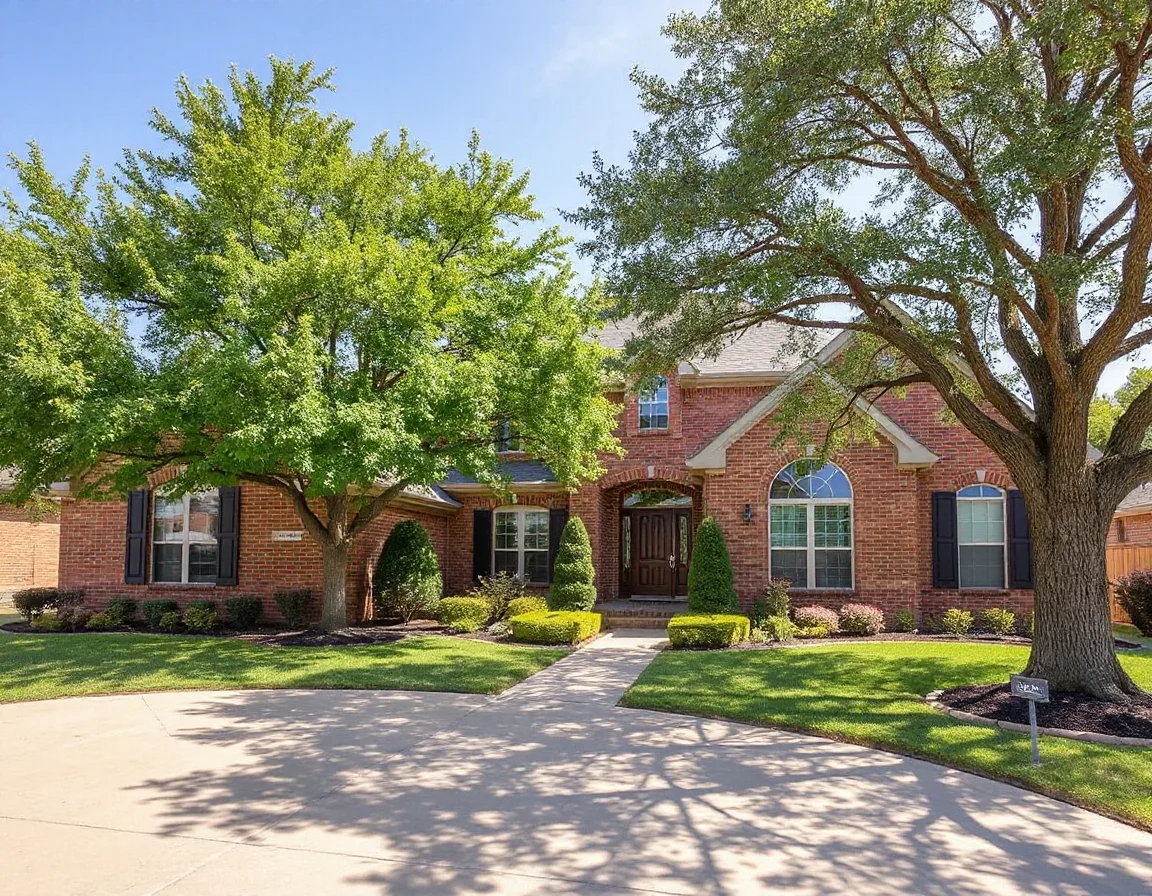
In Fort Worth, that gap shows up all the time. A house with an efficient floor plan, strong curb appeal, updated systems, and a usable outdoor setup may create more practical value than a larger home with awkward room sizes or deferred maintenance. Square footage measures quantity, not necessarily quality. It also does not capture how a home fits daily routines, how much natural light reaches the main living spaces, or whether the lot itself adds flexibility.
That is why experienced local analysis tends to go deeper than a single ratio. Looking at the details behind the headline number can keep buyers from overpaying for size that does not perform well and help sellers understand what buyers may notice immediately, even before they compare stats on paper.
A lower price per square foot does not automatically mean “better value.” In many cases, the stronger buy is the home that needs less immediate work and uses its space more effectively.
Clue 1: A floor plan that feels bigger than the number
One of the clearest signs of value is a layout that wastes very little space. Long hallways, oversized transition areas, and chopped-up rooms can inflate square footage without improving livability. Meanwhile, a smaller home with a well-connected kitchen, dining area, and living room may feel more functional every day.
In Fort Worth, many buyers pay close attention to how the main level flows, whether bedrooms are positioned with privacy in mind, and whether flexible rooms can adapt as needs change. A bonus room, office nook, or second living area can matter more than raw size if it solves a real use case. Value often hides in efficiency.
Storage also belongs in this conversation. Deep closets, a practical utility room, built-ins, attic decking, and a garage that actually accommodates vehicles and gear all contribute to how well a home performs. None of those features show up neatly in a price-per-square-foot shortcut, but they absolutely influence perceived value and resale appeal.
Clue 2: Lot usefulness can move value significantly
Lot size alone is not the full story either. What matters is how the land can be enjoyed and maintained. A flat backyard with shade, room for seating, and space between neighboring structures may feel more valuable than a technically larger lot with limited privacy or awkward grading.

Buyers often notice usable outdoor space right away: covered patios, established landscaping, irrigation, fencing, room for gardening, and the way the backyard connects to indoor living areas. In some Fort Worth neighborhoods, mature trees are a major asset because they shape first impressions and seasonal comfort. Corner lots, alley access, or additional parking flexibility can also add practical value depending on the property type and location.
Front-yard presentation counts too. Clean landscaping, healthy grass, a welcoming walkway, and a well-maintained exterior can increase the perceived quality of the entire home before anyone evaluates square footage. Strong curb appeal does not just look good in photos; it signals care and can reduce buyer hesitation about maintenance elsewhere.
Outdoor value is easiest to miss online. A lot that feels private, functional, and well planned can outperform a larger but less useful yard when buyers compare homes in person.
Clue 3: Update quality matters more than update count
Not all renovations carry the same weight. A listing may mention “updated” finishes, but the real question is whether the work improved durability, comfort, and consistency throughout the house. Cosmetic changes can help presentation, yet buyers usually place stronger value on kitchens that function well, bathrooms with thoughtful materials, newer windows, roofing condition, HVAC performance, and evidence of proper upkeep.
In other words, a home with fewer but better-executed improvements may deserve stronger pricing than a larger house filled with quick surface-level changes. Matching finishes, cohesive design choices, and workmanship that feels solid under normal use all influence how buyers judge value. The effect can be especially noticeable when two homes compete in a similar price band.
It is also worth paying attention to age overlap. If major systems have been addressed within a similar time frame, buyers may see the property as easier to manage over the next several years. That confidence can support value beyond what a square-foot comparison suggests.
Clue 4: Micro-location can outweigh broad neighborhood averages
Real estate value is hyperlocal, and this is particularly true in a city as varied as Fort Worth. Even within the same general area, one block may offer stronger access to commuter routes, parks, trail systems, retail corridors, or established streetscapes. Another may back to a busier road, have less consistent upkeep nearby, or feel less connected to nearby amenities.

That does not mean broad neighborhood trends are irrelevant. They still help establish a market range. But buyers comparing specific homes should zoom in on the exact setting: traffic flow, lot orientation, nearby green space, streets with mature trees, and how the home sits relative to surrounding properties. Those details often shape the lived experience and long-term appeal far more than a market average can capture.
For sellers, this is where strong local positioning matters. A well-written pricing and marketing strategy should explain the property’s location advantages in objective, factual terms instead of assuming all nearby homes trade equally. The closer the comparison, the more important these distinctions become.
Clue 5: Natural light, ceiling height, and sightlines influence value
Some of the strongest value signals are sensory. Homes that feel bright, open, and easy to navigate can create a stronger emotional response than larger properties with lower light or more visual interruptions. Ceiling height, window placement, and what you see from the main living areas all shape perceived spaciousness.
That is one reason square footage can be misleading. Two homes may offer the same amount of enclosed area, yet one feels dramatically more inviting because the entry opens well, the kitchen connects visually to the living room, and windows draw the eye into the backyard. Buyers often recognize this instantly, even if they cannot explain it in technical terms.
These elements matter for resale too. Photos tend to perform better when rooms are naturally bright and sightlines are clean. A home that shows well online and in person can earn more attention, and attention is often what creates pricing power.
Clue 6: Parking, access, and everyday convenience deserve more weight
Value is not only about finishes and aesthetics. Daily convenience counts. Driveway width, guest parking, garage layout, entry placement, laundry access, mudroom potential, and whether groceries can move easily from car to kitchen all affect how a property functions over time. These features may sound small, but they shape satisfaction in real use.
For some homes, a side-entry garage, rear access, or a covered porch that actually supports seating may elevate the experience in ways broad metrics miss. In attached housing or denser settings, practical access can become even more important. Buyers comparing several properties in one weekend often remember the homes that simply felt easier to live in.
Clue 7: The best value often shows up in the total cost picture
A home’s value is clearer when you look beyond the purchase price. Insurance considerations, expected maintenance, utility efficiency, and the likely cost of immediate repairs all matter. A slightly higher-priced home may represent stronger value if it reduces near-term spending and offers more predictable ownership costs.
That bigger-picture approach is useful for sellers as well. Preparing service records, maintenance history, and upgrade details can help buyers understand why a property stands apart from a simple price-per-square-foot comparison. Good data supports confidence, and confidence supports stronger offers.
In the end, square footage is just one tool. The smarter move is to evaluate how a Fort Worth home lives, how it has been maintained, how its lot and location function, and what the ownership experience is likely to look like after closing. Those are the clues that reveal value most clearly when the headline number falls short.